Sewage Treatment Plant Inspections
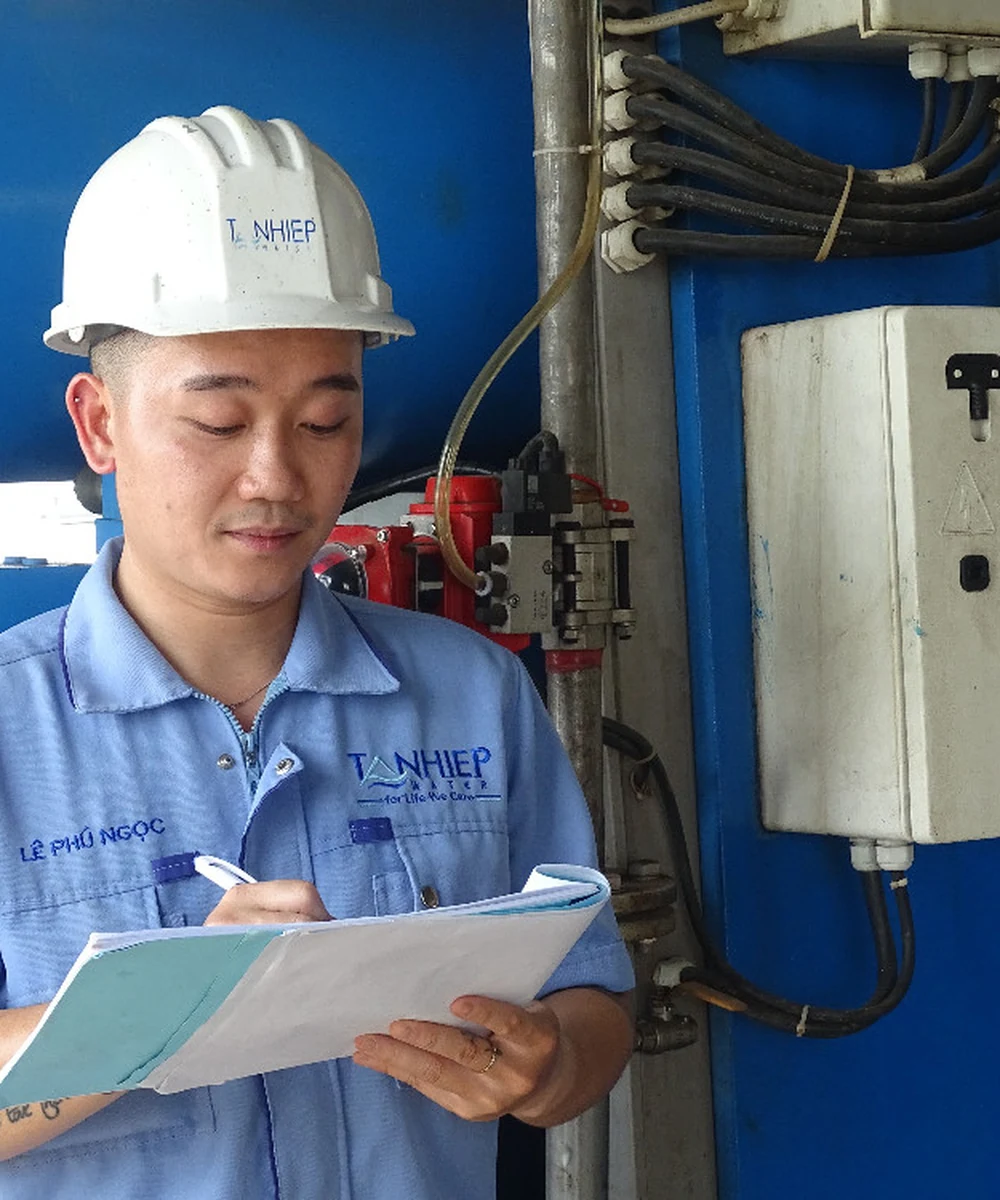
An inspection can help establish what plant is installed, whether it appears to be operating normally and what maintenance or repair work may be needed. This can be useful for existing owners, landlords and property buyers.
That gives an engineer a far more useful starting point than a vague drainage enquiry or a generic request for plumbing help.

What this type of job can include
This type of enquiry is often more specific than a general drainage job. The more accurately you describe the plant and symptoms, the easier it is for an engineer to understand likely access, parts and time on site.
- Plant identification
- Visual condition checks
- Mechanical operation checks
- Maintenance history review
- Repair and servicing recommendations
It also helps to mention whether the site is a single home, a shared domestic system, holiday accommodation, a farm or another small commercial setting.
When to ask for help
An inspection is particularly useful when buying a property, taking over responsibility for an unfamiliar system, or when no reliable maintenance record is available.
What to tell the engineer for a better first conversation
Even where you do not know the exact model, a useful first message normally includes the postcode, site type, whether the enquiry is planned maintenance or an active fault, and what has changed since the system was last working normally.
Brand, model and age if known, plus any label or panel photographs.
Alarm, smell, unusual sound, overflow, blower silence, poor discharge or pump issue.
Whether the issue is urgent, when it started and when the plant was last serviced.
Common reasons people look for sewage treatment plant inspections
The enquiry could be routine, reactive or part of a property handover. These are the kinds of situations we most often expect on pages like this.
Annual servicing, overdue maintenance, condition checks and keeping a service history for the property.
Breakdowns, alarms, component failure, changing performance or concerns about the system operating incorrectly.
Understanding what is installed, what condition it is in and whether the next step is servicing, repair, inspection or further diagnosis.
The make and model can change the job
Common UK installations include Klargester, Tricel, Marsh, WPL, Conder / Premier Tech, GRAF and BioKube. Engineers vary in the brands and models they support, so include that information if you have it.

Sewage Treatment Plant Inspections FAQ
How quickly can an engineer attend?
Response time depends on location, workload, plant type and whether the job is planned maintenance or a breakdown. Submitting accurate details helps the enquiry reach the right kind of specialist.
Do I need to know the plant make?
No, but it helps. If you are unsure, look for a label on the lid, kiosk or control panel and take photographs safely from outside the plant.
Are you the engineer?
No. Sewage Plant Engineers is an independent enquiry service. Any work is arranged directly with the independent provider that responds.
Can I use this for a house purchase or condition check?
Yes. Inspection and service-related enquiries can still be useful even where the plant is not actively failing, especially after moving into a property or if history is unclear.
What if the fault is urgent?
Use the enquiry form and describe exactly what is happening, but remember that availability varies. If there is an immediate pollution, health or safety issue, seek appropriate urgent assistance promptly.